

Chipped and Cracked Tooth Repair West Chester, PA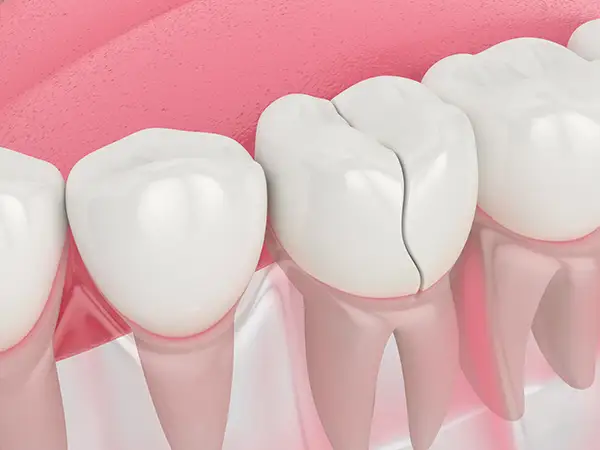 A cracked or chipped tooth can range from a minor cosmetic issue to a serious dental problem affecting the inner structure of the tooth. A cracked or chipped tooth can range from a minor cosmetic issue to a serious dental problem affecting the inner structure of the tooth. Even small fractures may expose deeper layers, leading to sensitivity, pain, or infection if left untreated. Cracked tooth treatment focuses on identifying the severity of the damage quickly and restoring both function and protection to prevent further complications. What a Cracked or Chipped Tooth Means and Why It MattersA cracked or chipped tooth refers to damage in the tooth’s outer or inner structure, but not all damage is the same. A small chip may only affect enamel, while a deeper crack can extend into the dentin or even reach the nerve. Craze lines are tiny surface cracks that are usually harmless, while fractures and deeper cracks may compromise the tooth’s stability. Even when a tooth looks minimally damaged, the internal structure may be weakened and at risk of worsening over time. Untreated damage can progress, especially when exposed to chewing pressure or temperature changes. In more severe cases, cracks can lead to infection, nerve exposure, or eventual tooth loss. Common causes include biting down on hard foods, sports injuries, teeth grinding, or weakened enamel due to aging or decay. Pain does not always reflect severity, meaning even painless cracks can still require treatment. Common Symptoms and Signs of Tooth DamageSymptoms of a cracked or chipped tooth vary depending on the depth and location of the damage. Some individuals notice visible chips or jagged edges immediately, while others only experience discomfort during chewing. Sensitivity to hot, cold, or sweet foods is a common indicator of enamel damage or exposed inner layers. Sharp or intermittent pain when biting may also signal a deeper crack. In more advanced cases, swelling or gum irritation may develop near the affected tooth. Hairline fractures can be especially difficult to detect because symptoms may come and go rather than remain constant. If symptoms worsen over time, it often indicates that the crack is progressing or that the inner pulp of the tooth is becoming involved. What to Do Immediately After Cracking or Chipping a ToothImmediate care can help reduce discomfort and prevent further damage before professional treatment.
Avoid hard foods, very hot or cold temperatures, and using the damaged tooth for chewing. If a large portion of the tooth breaks off, it is important to seek dental care promptly, as deeper layers may be exposed. Treatment Options for Cracked or Chipped TeethTreatment depends on the severity, location, and depth of the damage. Minor chips are often repaired with dental bonding, where a tooth-colored material restores shape and function. Veneers may be recommended for front teeth with cosmetic damage, providing a natural appearance while protecting the surface. For more extensive fractures, dental crowns are used to fully cover and strengthen the tooth. If the crack reaches the nerve, root canal therapy may be necessary to remove damaged tissue and prevent infection. In severe cases where the tooth cannot be restored, extraction may be the only option followed by replacement solutions. How Dentists Diagnose a Cracked or Chipped ToothDiagnosing a cracked or chipped tooth often requires a combination of clinical tools and techniques. A visual examination helps identify obvious damage, while dental imaging may reveal hidden fractures. Bite tests are commonly used to pinpoint discomfort during pressure application. Dentists may also use special lighting or dyes to highlight cracks that are not visible to the naked eye. Some fractures are difficult to detect because they may only appear under specific conditions or angles. Evaluation also includes checking nerve involvement and assessing surrounding teeth for alignment or stress patterns. Pain, Sensitivity, and Discomfort ManagementPain from a cracked or chipped tooth occurs when inner layers of the tooth become exposed or irritated. Temperature changes, biting pressure, or sugary foods may trigger sensitivity. Intermittent sharp pain is common when the crack allows movement within the tooth structure. Constant pain, however, may indicate deeper nerve involvement or infection. Temporary relief may be achieved by avoiding trigger foods, using sensitivity toothpaste, and taking appropriate over-the-counter pain relief when needed. Persistent or worsening pain should be evaluated promptly. Recovery and What to Expect After RepairRecovery depends on the type of treatment performed. Dental bonding typically involves minimal downtime, while crowns may require a short adjustment period as the bite stabilizes. Root canal treatment may cause temporary sensitivity as the surrounding tissues heal. Most patients return to normal function shortly after treatment, although mild discomfort can persist for a few days. Maintaining good oral hygiene is important during recovery to prevent complications. Follow-up visits may be necessary to ensure proper healing and fit of restorations. How to Prevent Future Cracked or Chipped TeethPreventing future damage involves reducing stress on teeth and protecting enamel from unnecessary force.
Common habits like chewing ice, opening packages with teeth, or clenching during stress significantly increase risk. Strengthening enamel through fluoride treatments and early intervention can also reduce vulnerability. When to Seek Urgent Dental Care for a Cracked or Chipped ToothUrgent dental care is needed when pain becomes severe or sensitivity worsens over time. Large fractures or missing tooth pieces may expose deeper structures that require immediate attention. Signs of infection such as swelling, fever, or persistent throbbing pain should not be ignored. Difficulty chewing or speaking due to damage also indicates the need for prompt evaluation. Delaying treatment can allow cracks to spread, increasing the risk of more extensive damage or tooth loss. Professional Evaluation and Scheduling Dental CareA professional dental evaluation is essential to determine the extent of damage and the most appropriate treatment plan. Each case is unique, and treatment depends on how deep the crack or chip extends. When scheduling an appointment, it is helpful to describe symptoms, when the injury occurred, and whether pain is constant or triggered by biting. Early evaluation often allows for more conservative treatment and better long-term outcomes. Most cracked or chipped teeth can be successfully restored when treated promptly, preserving both function and appearance. |

